
Need Quick Response? Call us +61 1300 909 339

Every individual’s country should be a safe place where they feel accepted and are free to be themselves. Unfortunately, if you are a member of the LGBTIQ+ community, not every place is secure, and your safety could be under threat. Australia is one of the most LGBTIQ+-friendly countries, having legalized same-sex marriage and upholding equal treatment of the LGBTIQ+ community.
Fortunately for those who face circumstances otherwise, under the Australian refugee framework, LGBTIQ+ individuals who face risks of serious harm or fear persecution in their home country due to their sexual orientation, gender identity or intersex status may be eligible to apply for a Protection Visa.
This article outlines the Protection Visa framework as it applies to LGBTIQ+ asylum seekers.
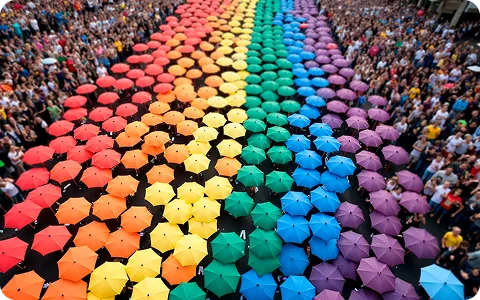

One of the five grounds for protection includes persecution based on ‘membership of a particular social group.’ In many cases, LGBTIQ+ individuals fall within this category.
However, legal recognition is not automatic. It must be shown that being part of the LGBTIQ+ community in your home country puts you at real risk of serious harm, whether that be violence, imprisonment or systemic discrimination. Importantly, Australian law also acknowledges that persecution does not always come from governments. Sometimes, it is from families, communities or religious groups, and if the government in your home country is unwilling or unable to protect you, that risk still persists.
In practice, this may include scenarios such as individuals facing harassment, violence or discrimination due to their sexual orientation or gender identity. An Australian Protection Visa may be available to those who can demonstrate these risks. Migration agents provide support throughout the application process. Recognising and proving the risks you face as an LGBTIQ+ person takes careful planning, empathy and support.
LGBTIQ+ individuals face criminalization, violence and discrimination in many countries, which can lead some to seek protection abroad. In many situations, such individuals are imprisoned, attacked or even killed simply for expressing who they are.
Australia’s Protection Visa framework considers applications from individuals facing real and personal risks due to their LGBTIQ+ status. It carefully considers the specific circumstances of individuals who can show they face real and personal risks in their home countries. Below is a list of countries where people in the LGBTIQ+ community face discrimination and persecution.
In addition to the places mentioned above, many other countries are not LGBTIQ+-friendly.
To qualify for a Protection Visa in Australia, it is not enough to be from one of these countries; you must show how your personal circumstances put you at risk. Do you have a known LGBTIQ+ identity in your community? Have you faced threats or violence before? Has the government failed to protect you?
Migration agents can assist in documenting a comprehensive application that details both the country context and individual risk factors. Individuals facing risk due to their LGBTIQ+ status may be eligible for protection under Australian law.
It is one thing to face harsh laws, but the attitudes in your community, your workplace or even your own family can easily make the experience even more brutal.
In many countries, the legal status of LGBTIQ+ people is only part of the story. Discrimination does not always come from the police or courts. It can also come from neighbors, employers, teachers and relatives. Understanding both the legal and social landscape is critical when applying for a Protection Visa in Australia.
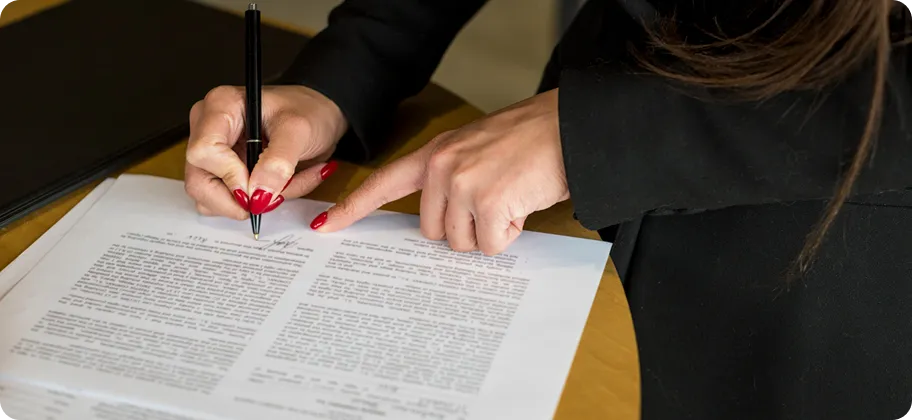
Some countries might claim they do not criminalise homosexuality, but in practice, that does not always translate into safety.
Protection Visa law in Australia recognises that persecution can come from non-state actors, meaning not just government officials but also members of the public or even family. This is especially relevant for LGBTIQ+ individuals who are:
If you cannot rely on your government to protect you, that strengthens your protection claim.
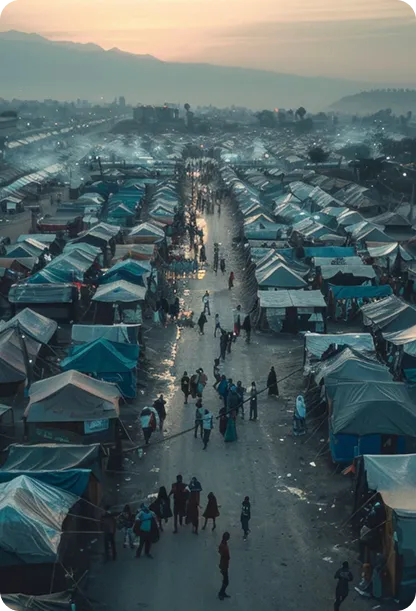
In many of these countries, LGBTIQ+ people live in constant fear of being ‘outed’. They may hide relationships, suppress their identity, or live double lives to avoid punishment or social exclusion. The impact of concealment on applicants is a relevant consideration during Protection Visa assessment.
Migration agents can help bring these experiences to light. Whether it is the law, the culture, or both, your lived experience matters and it is worth sharing.
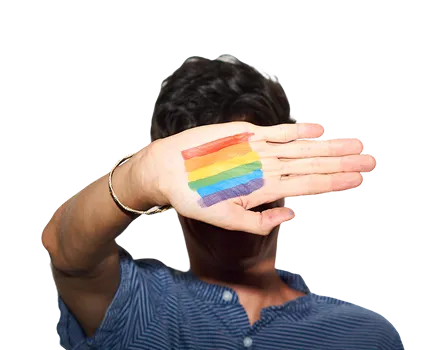
If you are seeking a Protection Visa in Australia because of your sexual orientation, gender identity or intersex status, the evidence you present plays a central role in supporting your case. But what does that actually mean in practice? What do migration agents or tribunals look for, and how can you prepare? Here is a breakdown of the types of documentation and information that can strengthen your application:
Your own story matters. It is not just paperwork; it is a chance to tell your truth. A detailed personal statement gives decision-makers a clear picture of your experiences, your identity and why returning to your country of origin would place you in danger. You will need to explain:
It is acceptable if you do not have ‘official’ proof; your lived experience is valid. A qualified migration agent can help you document your story clearly, honestly and in a way that aligns with what the Department of Home Affairs requires.

Tribunals and immigration officers often refer to information from human rights organisations to assess claims. Attaching reports from reputable organisations such as Amnesty International, Human Rights Watch or United Nations bodies can help show that your fears are justified. These might include:
This external context helps to reinforce your personal statement and adds credibility to your claims.
Living with fear and trauma often takes a toll. Many applicants have faced emotional distress, mental health challenges or physical injuries. Including medical records or psychological assessments, particularly those prepared in Australia, can show how the persecution has affected your well-being.
Reports from psychologists, psychiatrists or general practitioners that reference your history, symptoms and current emotional state can support your protection claim. These documents must be accurate and authentic.

Applying for a Protection Visa can be emotionally exhausting for anyone, but for LGBTIQ+ individuals, the journey often comes with an added layer of fear, vulnerability and uncertainty.
One of the most common challenges is proving your sexual orientation or gender identity in a legal context. Unlike physical persecution, these aspects of identity can be harder to ‘prove’ with paperwork. Many applicants are asked deeply personal questions or expected to provide evidence that feels invasive or re-traumatizing. Some even worry their truth will not be believed because their expression does not match stereotypes.
Fear of discrimination, whether from interpreters, legal representatives or even within detention centers, can also make it difficult to speak openly. Some applicants have lived their entire lives hiding who they are; suddenly, being asked to share their truth on record can be overwhelming.
Cultural stigma adds another hurdle. Applicants from countries where LGBTIQ+ status is criminalized often struggle with internalized shame, fear of being outed, or lack of access to supportive communities or resources that could strengthen their case.
It is also common to feel isolated during the process. The weight of starting over, uncertainty about the future, and navigating a complex legal system, all while carrying trauma, can take a serious toll on mental health.These are just some of the reasons why working with a compassionate, experienced migration agent can make such a meaningful difference. You are not just a case file; you are a human being deserving of safety, dignity and support.
Starting fresh in a new country can feel overwhelming, especially under distressing circumstances. If you are an LGBTIQ+ asylum seeker in Australia, there are several community organizations and support services that offer guidance and help you feel safe throughout the Protection Visa process.
an LGBTIQ+ organization based in New South Wales that offers mental health support, casework and safe housing for young queer people, including those from migrant and refugee backgrounds. Their staff understand the impact of trauma and discrimination and work to create safe spaces for healing.
lead community-led initiatives that focus on peer connection and advocacy for LGBTIQ+ asylum seekers. They understand how isolating it can be to leave your country and your community behind. These groups provide a sense of belonging through shared stories, social events and cultural connections.
Whether you are seeking legal advice, a safe home, or simply someone who understands your story, these organisations are a good starting point. Sometimes, just knowing that help exists and is offered without judgement can be the first step towards safety and hope.
The process of applying for a Protection Visa as an LGBTIQ+ person can be emotionally exhausting, not just because of the paperwork but because of the misconceptions people often carry about these claims. Let us clear up a few of the most common myths.
Persecution is not limited to government legislation. In many countries, social hostility, vigilante violence and lack of police protection pose serious risks for LGBTIQ+ people.
The legal system may turn a blind eye to harm or even contribute to it. Australia’s refugee laws recognize both state and non-state persecution.
While evidence of past abuse can strengthen a claim, it is not required. If you can show a real risk of serious harm in the future, such as threats, forced marriage or being outed, you may still be eligible for protection under Australian law.
The bottom line? Protection claims are nuanced, personal and deeply human. Dispelling these myths can empower applicants to share their stories truthfully without fear of being dismissed.

At Protection Visa Australia, we understand that the process of filing for such a visa can be challenging. It requires careful planning and organization of important documents. You need to prove that your quality of life would be compromised and that you fear persecution upon return to your home country. Our migration agents provide guidance throughout the application process, helping clients prepare thorough and accurate submissions.
We are a team of dedicated and competent professionals well-versed in Australian visa rules and regulations. Over the years, our associates have helped many individuals seek Protection Visas in Australia. We offer migration services to people who need thorough, honest and accurate advice. Our team is available to assist with enquiries related to Protection Visa applications. If you need assistance with filing a visa application, especially if you belong to the LGBTIQ+ community, we are here to help. Book a consultation to discuss your case. We provide tailored advice and are available during extended hours to assist you. Rest assured, we care about our clients and their circumstances.
